
Sweeteners and the alibi feature

While sweeteners alone do not promote weight loss and should not be used to justify unhealthy eating habits, they offer a variety of sweet-tasting options with minimal or no calories. This allows individuals to satisfy their sweet cravings without resorting to high-calorie snacks and beverages. Sweeteners and a Balanced Diet When used in place of […]
Sweeteners do not stimulate cravings for sweet foods

Sweeteners can be several thousand times sweeter than sugar, which means they are used in very small quantities to achieve a level of sweetness comparable to that of sugar. As a result, products sweetened with these alternatives are significantly lower in calories. Healthy Eating Behaviors Among Sweetener Users Research indicates that consuming sweet foods and […]
Preference for sweet things is innate
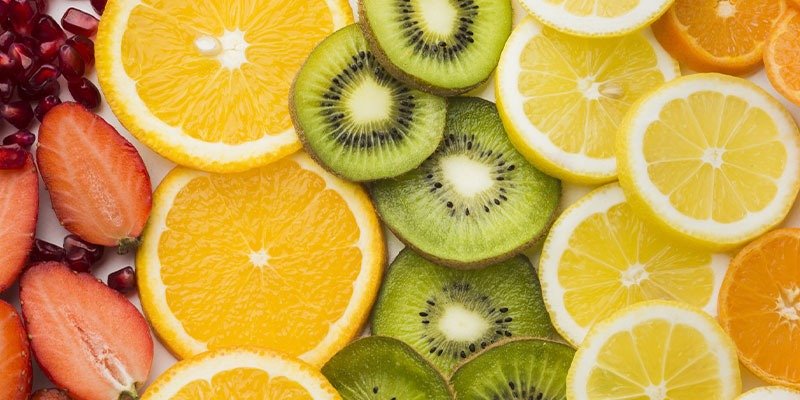
Innate Preference for Sweetness Humans are born with an innate preference for sweet flavors. Newborns respond positively to sweet tastes, while they instinctively reject bitter and sour flavors. Acceptance of salty tastes typically develops in the first few months of life. This reflex-like response to different tastes is governed by ancient structures in the brain […]
Sweeteners have no effect on the intestinal microbiome

Research on the microbiome over the past two decades has revealed that the human intestine is home to a unique and intricate ecological system. Insights gained from animal studies may not be entirely applicable to humans, as human experiments are harder to control, and in-vitro systems cannot capture the full complexity of the human digestive […]
Sweeteners are tooth-friendly

The Impact of Minerals and Sweeteners on Dental Health Tooth enamel is highly resilient under normal conditions, but it can be compromised by carbohydrates like sugar and starch. Bacteria in the mouth convert these carbohydrates into acids, which erode the protective surface of teeth, leading to enamel damage and cavities. Sweeteners and Cavity Risk Sweeteners, […]
Tastes are different
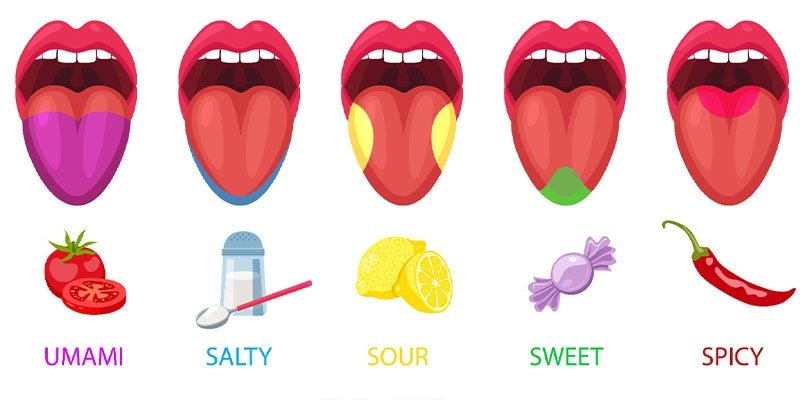
Our preference for sweet flavors is innate, but various factors influence how our tastes evolve throughout life. Genetics play a key role in determining our sensitivity to different tastes, including bitter, sweet, salty, sour, and umami, and possibly even fats. How Taste Develops Our likes and dislikes are shaped by early experiences with food, particularly […]
Sweeteners have no effect on blood sugar levels

In the late 1980s, a theory emerged suggesting that the sweet taste of sweeteners could trigger insulin release in the body, known as the “cephalic insulin reflex.” While this idea seemed plausible initially, it has not been substantiated by research. How Sweeteners Function in the Human Body When consumed, sweeteners produce a sweet taste on […]
Sweet due to sweeteners – what makes it sweet is listed
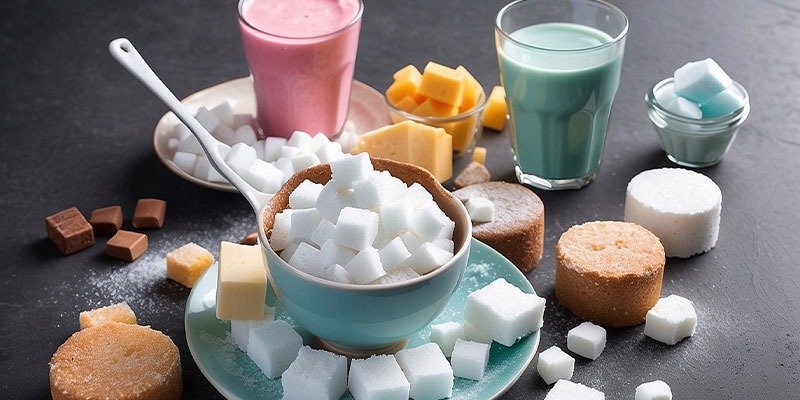
Uses of Sweeteners in Food Products Sweeteners are primarily found in low-calorie foods and beverages, including diet drinks. They also come in granular, liquid, and tabletop forms, allowing consumers to sweeten their own food and drinks without adding extra calories. How to Identify Sweetened Food Products You can often recognize products containing sweeteners by labels […]
Consumption of sweeteners is safe
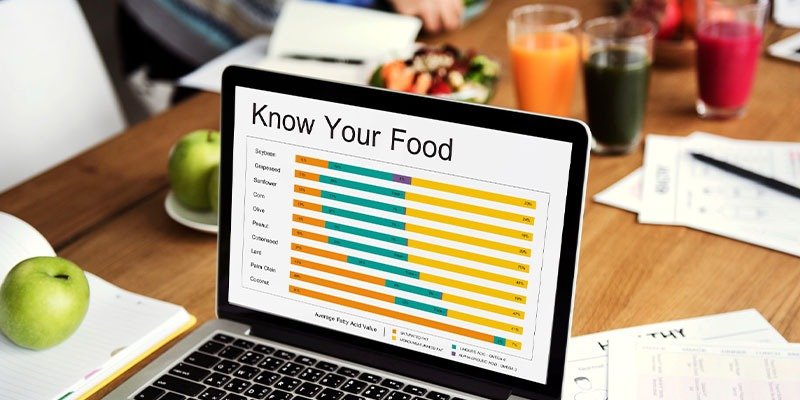
Understanding the ADI Value and Sweetener Safety The Acceptable Daily Intake (ADI) value indicates the amount of a food additive that can be safely consumed every day over a lifetime without causing any adverse health effects. It is not a maximum consumption threshold but rather a safety benchmark designed for lifelong use. How the ADI […]
Sweeteners are strictly controlled additives `
Ensuring the Safety of Sweeteners The safety of sweeteners is rigorously evaluated by the European Food Safety Authority (EFSA) before they can be legally approved by the EU Risk Manager, which includes the European Commission, member states, and the European Parliament. Extensive Testing Approved sweeteners undergo extensive scientific testing that can span over ten years. […]